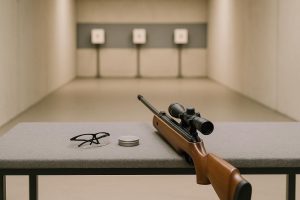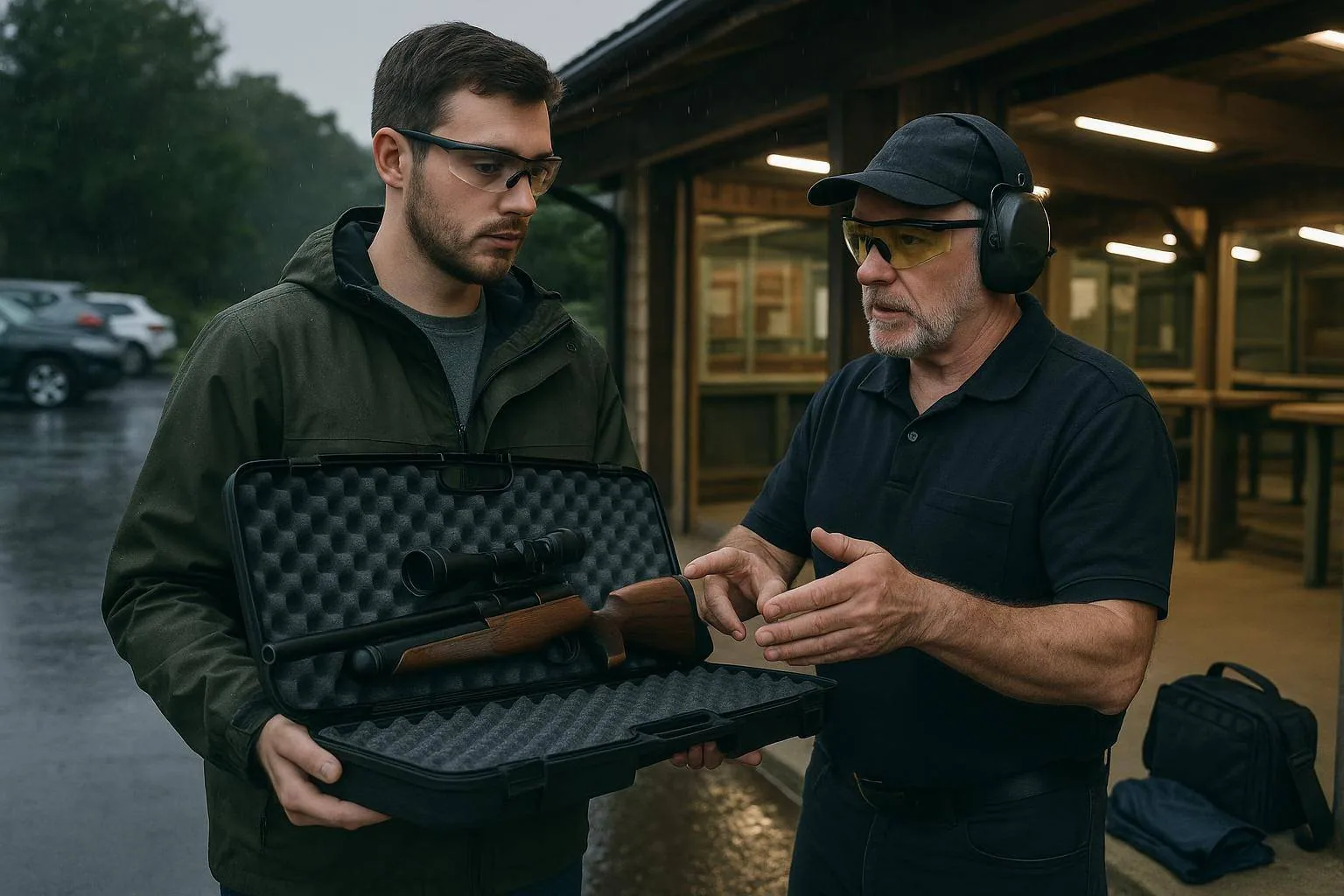
The first few minutes at a new range can feel busier than expected: you are checking equipment, listening to the range officer and trying not to delay the next relay. A good orientation turns uncertainty into a routine, but choosing the right club and deciding how to practise still require thought. For air gunners in the GTA, the sensible approach is to compare club expectations, learn the local safety system, ask useful questions and choose a practice rhythm you can maintain. The goal is not to rush through induction, but to become a predictable, considerate range user.
Start by comparing the club, not just the distance
A nearby venue is convenient, but convenience is only one criterion. Before committing to a Toronto airgun club, ask how new members are introduced, what supervision is expected, which airguns are permitted and how bookings or relay times work. These details affect your experience more than a website or single visit.
Consider your actual use. If you want quiet, structured target practice, a club with a formal range routine may suit you better than an informal group. If you are returning to shooting after years away, look for patient instruction and a clear process for checking equipment. Someone who plans only occasional practice should confirm attendance requirements before paying fees or buying extra kit. A club that matches your habits is usually a better choice than the closest one.
Also consider the social fit. A welcoming culture does not mean relaxed standards. Strong range communities make safety rules visible, correct mistakes early and leave room for questions without turning every session into a lecture.
Treat orientation as a practical skills check
Orientation is more than paperwork. It should explain the range layout, command sequence, ready and cease-fire procedures, equipment-handling expectations, target placement and what to do if something goes wrong. Listen for operational details: where an unloaded airgun rests, when you may step forward, how to report a misfire or damaged target and who can stop shooting.
Do not rely on memory alone. After the briefing, repeat the core sequence to yourself and clarify anything vague. Ask, for example, "At what point may I handle the airgun during a cease-fire?" Do not assume the rule matches another range.
Transport equipment in its safest practical state, follow the club's instructions and avoid adjustments at the firing point unless the rules allow them. New owners sometimes arrive with unfamiliar accessories, improvised cases or an untested setup, creating pressure at the wrong moment. A simple, known configuration is better for an initial visit.
Build safety habits that survive a busy session
Airgun safety is more than muzzle direction. Treat every airgun as loaded until you have confirmed otherwise, keep the muzzle pointed toward the safe area, keep your finger outside the trigger guard until ready to fire and wear the protective equipment required by the range. Follow the range officer's commands immediately, even when you think you understand the situation.
Common mistakes are ordinary ones: turning to speak while holding an airgun, reaching toward a target during a live condition or leaving equipment on a bench during a cease-fire. A lower-powered airgun still requires safe direction, controlled handling and a suitable backstop.
Use a brief pre-session check:
– Confirm the airgun is in the condition required for transport and arrival.
– Inspect the air source, pellets, fasteners and sights for obvious damage.
– Check that your case, eye protection and hearing protection meet club expectations.
– Review the day's range commands before handling equipment.
– Decide how you will stop if distracted, rushed or unsure.
That last point matters. Safe shooters pause and ask rather than improvise through uncertainty.
Choose training that solves your actual problem
Airgun training can mean basic handling and etiquette for a first-timer, or help with stance, sight alignment, trigger control, follow-through and a consistent shot routine for an experienced owner. Someone struggling with groups may need diagnosis rather than more equipment.
Before booking instruction, identify the result you want. Do you want to feel comfortable at the firing point, improve repeatability, prepare for a club match or learn to maintain equipment safely? A general introductory session suits a beginner. Individual coaching may help when one persistent habit limits progress. Group practice offers accountability and social connection, but less time for personal correction.
Do not treat new equipment as a substitute for diagnosis. Changing sights, pellets or accessories may be appropriate, but make one change at a time and record the result. Otherwise, you may not know whether improvement came from technique, setup or familiarity.
Verify local rules before every change in routine
Local shooting rules can involve club policy, transport expectations, property restrictions and broader legal requirements. They are not necessarily fixed, and a rule at one range may not apply at another. Check current guidance from relevant official authorities and confirm the club's written requirements before transporting equipment, changing an airgun setup, inviting a guest or shooting somewhere new. When in doubt, ask the range rather than relying on a forum post or old conversation.
Apply the same caution to ownership and storage questions. General information is not a substitute for current legal advice, especially when circumstances involve a different airgun type, travel across jurisdictions or a change in residence. Requirements may change, so verify them when you act.
Once the rules are clear, regular practice becomes simpler. Choose a realistic schedule, arrive early enough to prepare without rushing and note the conditions and the one skill you are working on. Respect other shooters' concentration, reset your space and accept correction professionally. That is how a visitor becomes part of the range culture: not by knowing everything on the first day, but by handling equipment carefully, asking sensible questions and making each session easier for everyone sharing the line.